9 minutes read
What Makes Appliance eCommerce Different from Other Online Stores?

Jon Slyman
CEO
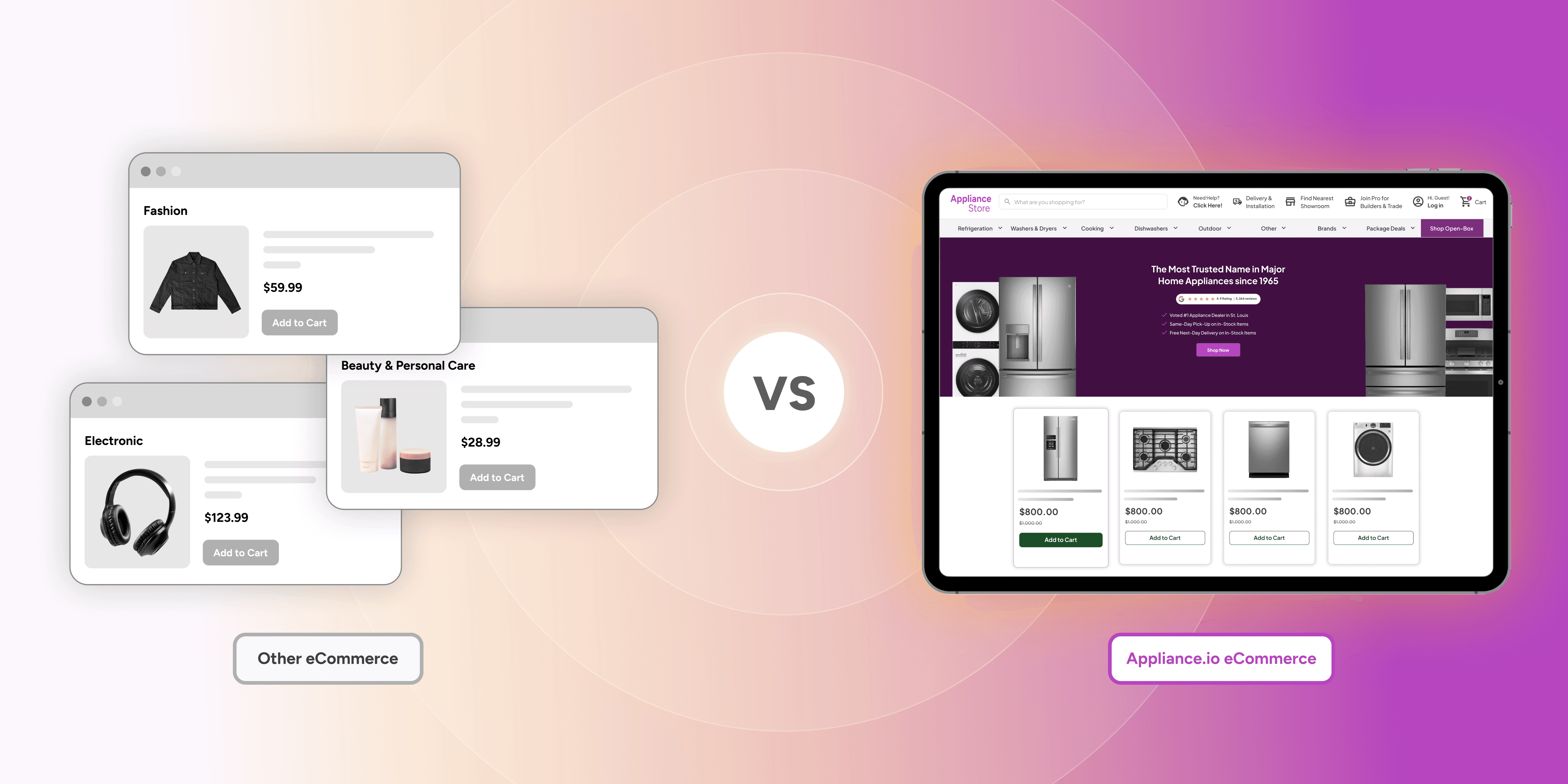
One of the biggest factors that sets appliance eCommerce apart from many other online stores is the way shoppers make purchasing decisions. Unlike many everyday consumer products, appliances are high-consideration purchases. Shoppers rarely buy a refrigerator, range, or washing machine on impulse. They often compare multiple products, review specifications, evaluate delivery options, and research the retailer before making a decision.
Because shoppers spend more time researching before making a purchase, even small inaccuracies throughout the shopping experience can create uncertainty. Missing product specifications, outdated inventory information, or unclear delivery details may cause shoppers to look elsewhere.
For appliance retailers, building shopper confidence requires more than a well-designed website. Accurate product information, reliable inventory, dependable delivery, and connected operations all shape the buying experience. Together, these operational demands require a different approach to building and managing an appliance eCommerce business.
Appliances Are High-Consideration Purchases
Purchasing a major appliance often takes time. Buying a refrigerator, dishwasher, or washing machine requires careful planning. Most households expect a major appliance to last 10 years or more, making every purchase a significant investment.
Unlike everyday purchases that can be easily replaced, choosing the wrong appliance may lead to costly replacements, installation issues, or years of inconvenience. Before making a decision, shoppers often spend days or even weeks researching products, comparing retailers, and evaluating which model best fits their home, lifestyle, and budget.
Choosing a major appliance involves much more than comparing prices. Shoppers often evaluate product specifications, dimensions, capacity, energy efficiency, warranties, available finishes, delivery options, and installation requirements.
Warranty coverage can also influence which retailer or appliance shoppers ultimately choose. A retailer offering a one-year manufacturer's warranty may be compared with another that provides extended protection plans or additional service coverage, giving shoppers greater confidence in their purchase.
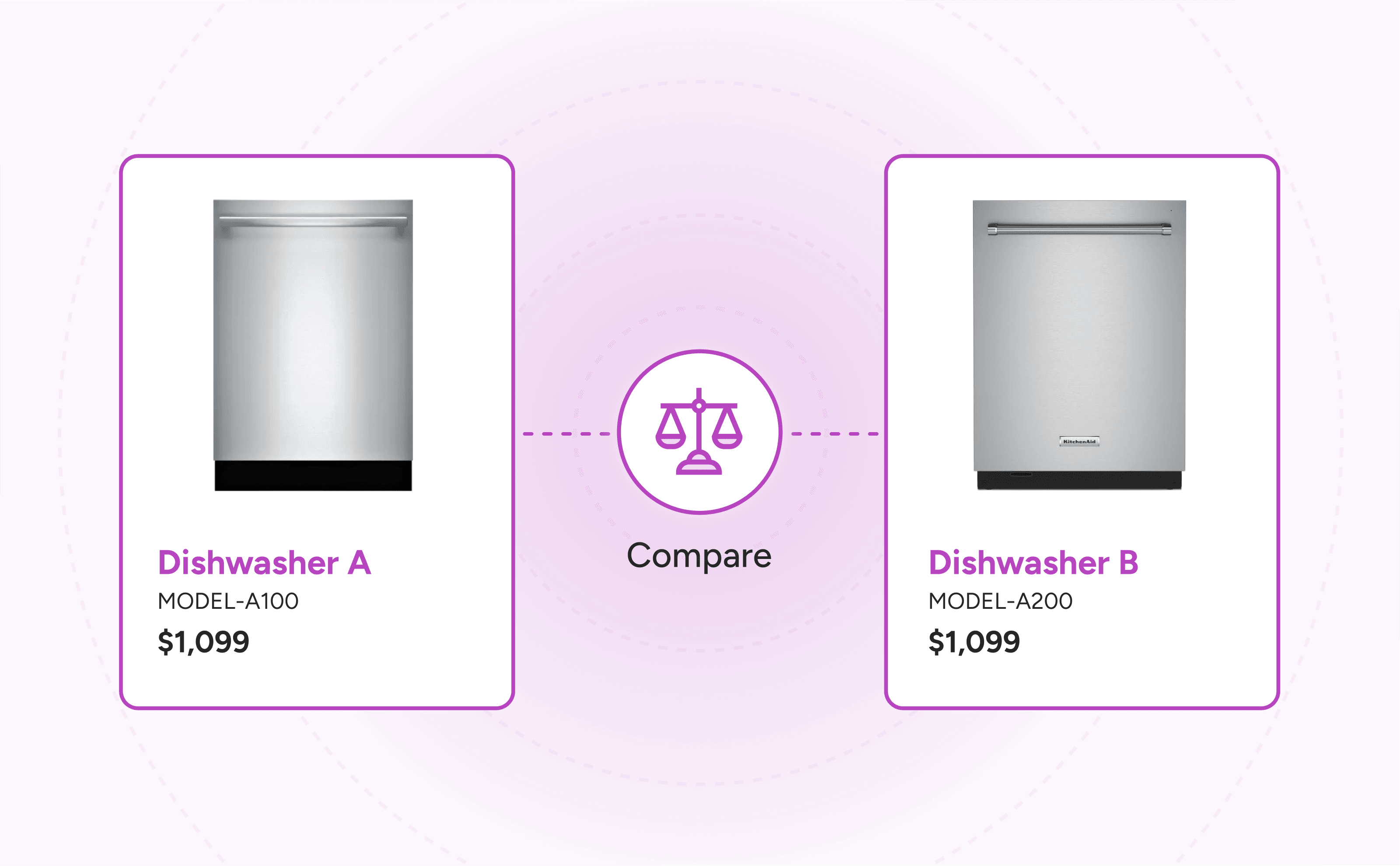
For example, someone choosing between the Bosch 800 Series SHX78CM5N Dishwasher and the KitchenAid KDTM604KPS Dishwasher may compare noise levels, rack configuration, drying technology, energy consumption, cabinet cutout dimensions, and warranty coverage before deciding which model better suits their kitchen. Even seemingly minor details, such as cabinet opening requirements or a third rack for extra capacity, can influence the final decision.
Because purchasing decisions depend on accurate and complete information, appliance retailers need product pages that help shoppers compare products with confidence. Clear specifications, accurate availability, and warranty details help shoppers compare products and evaluate their options more effectively.
Inventory Management Matters in Appliance eCommerce
Managing inventory in appliance eCommerce is often more complex than in many other retail categories. Unlike businesses that fulfill orders from a single location, appliance retailers frequently manage inventory, product information, and availability across multiple sources.
Keeping inventory and product information accurate is essential for both daily operations and the customer experience. When shoppers encounter outdated inventory information, incorrect pricing, or discontinued products still listed online, their confidence in the retailer can quickly decline.
Multiple Inventory Sources
Appliance retailers often sell products from more than one inventory source. A product shown on the website isn't always sitting in the retailer's showroom. Depending on availability, it may come from a warehouse, a buying group, a distributor, or a special-order program.
For example, a customer looking for the LG LRMVC2306S Counter-Depth Refrigerator may discover that it is unavailable in the retailer's showroom but can still be ordered through a buying group or distributor. Without accurate inventory information, shoppers may leave the website believing a product is unavailable when it is actually available through another inventory source.
Product Catalog Changes Every Day
Inventory is only one part of the challenge. Keeping a product catalog up to date is an ongoing responsibility. New models are introduced, older ones are discontinued, prices change, specifications are updated, and inventory availability shifts throughout the year.
For retailers managing thousands of appliance products, keeping every product page up to date quickly becomes time-consuming. Outdated specifications, incorrect pricing, or discontinued models that remain online can undermine shopper confidence while creating additional work for store employees responsible for manually updating the catalog.
Appliance Delivery Is an Essential Part of the Customer Experience
For many online retailers, the customer experience shifts to delivery after a purchase is completed. Appliance retailers, however, often begin planning fulfillment long before an order leaves the warehouse. Delivering large appliances requires scheduling, specialized handling, installation planning, and clear communication to ensure every order arrives as expected.
A successful delivery involves much more than transporting a product from one location to another. For many shoppers, delivery isn't complete until the appliance has been installed, tested, and ready to use.
Delivery Requires More Than Shipping
Unlike many retail products that can be packed and shipped immediately, appliance deliveries require careful coordination between multiple teams and services. Retailers often manage delivery scheduling, route planning, installation appointments, haul-away requests, white-glove delivery, and customer communication before an appliance even leaves the warehouse.
For example, a customer purchasing an LG WM6500HBA Front Load Washer may request professional installation and haul-away service for an existing washing machine. The retailer must schedule a delivery window, assign an installation team, confirm the required services, and ensure the old appliance can be removed during the same visit. Every step must be coordinated to provide a smooth customer experience.
Because these services are closely connected, appliance retailers need delivery workflows that keep scheduling, inventory, installation, and customer communication aligned throughout the process.
Customer Expectations Continue After Checkout
For many shoppers, the buying journey doesn't end after clicking the Place Order button. Questions often begin immediately afterward.
When will the appliance arrive?
Has the delivery schedule changed?
Will installation happen during the same visit?
Providing timely updates helps answer those questions before customers need to ask. Delivery notifications, arrival windows, installation status, and order tracking reduce uncertainty while giving shoppers greater confidence throughout the delivery process.
Clear communication also benefits retail teams. Customer service representatives spend less time responding to delivery inquiries, while delivery teams stay informed about schedule changes and special service requests. Keeping everyone aligned helps create a smoother experience from checkout to installation.
Managing Appliance Retail from One Connected Platform
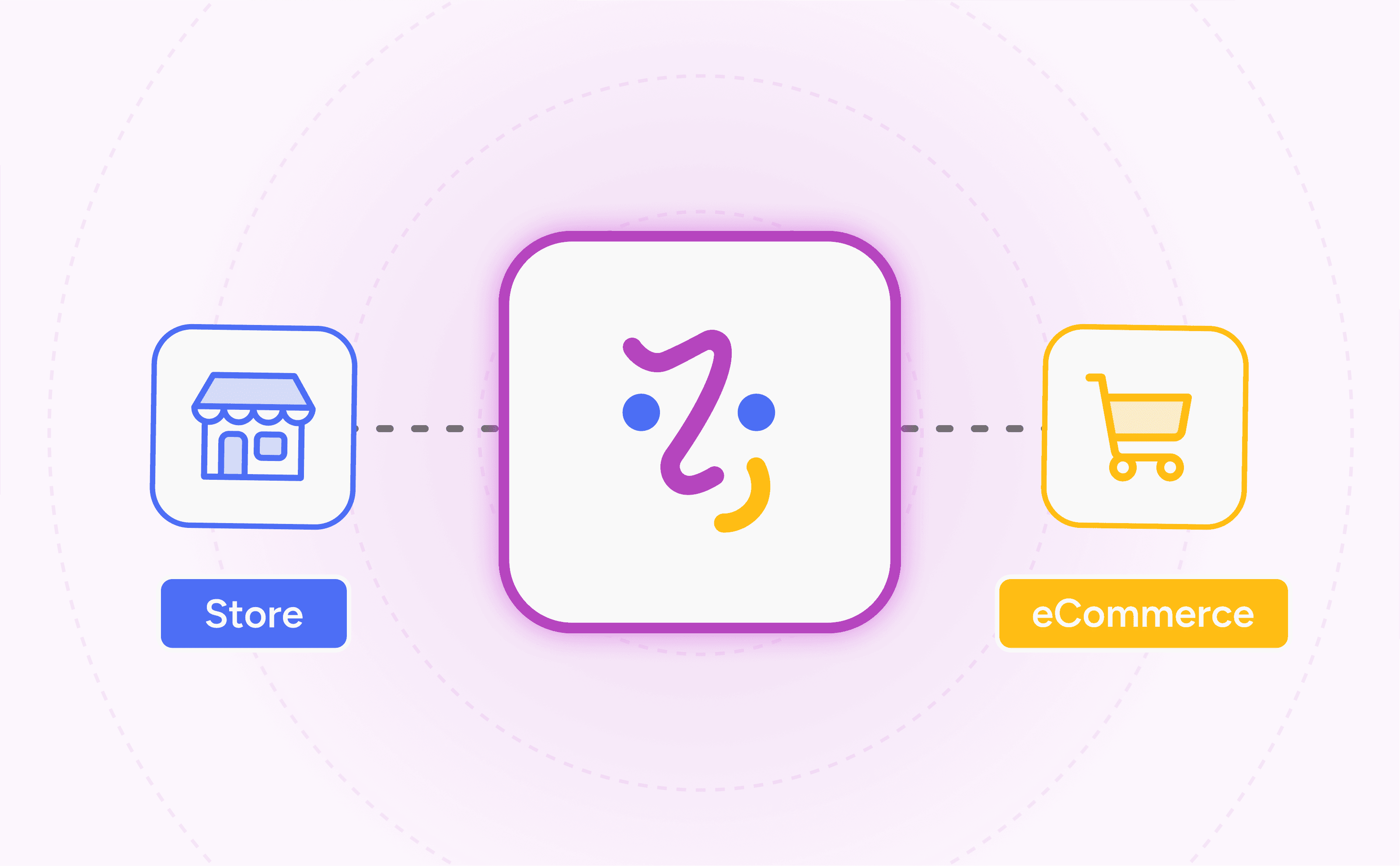
Throughout every stage of appliance eCommerce, retailers rely on different systems to support daily operations. Product information, inventory, point of sale (POS) transactions, payments, and delivery operations each play a different role in serving customers, but they all depend on the same business data.
When these systems operate independently, employees often spend time entering the same information multiple times or manually updating records across different platforms. Product availability may be updated in one system but remain outdated on the website. A completed sale may reduce inventory in the POS but not immediately appear in the online store. These inconsistencies create duplicate work, increase the risk of errors, and make daily operations more difficult to manage.
Appliance.io connects every stage of appliance retail, from product catalogs and inventory to POS transactions, delivery operations, and customer communication, helping retailers manage daily operations from one connected platform.
By keeping operational data connected across every stage of the customer journey, appliance retailers can spend less time maintaining systems and more time serving customers, growing their business, and delivering a more consistent shopping experience.
Ready to simplify appliance eCommerce operations with one connected platform? Explore Appliance.io or contact the team to discuss how the platform can support your business.