7 minutes read
Why Manual Reporting Doesn't Scale with Your Business

Michael Brennecke
Client Success Manager

Closing out a register at the end of the day shouldn't take longer than the shift itself. For many appliance retailers, it does. Sales get counted by hand, copied into a spreadsheet, and reconciled with the bank deposit a few days later.
The same process repeats at the end of every week, every month, and eventually every year, usually right around tax season when tracking down missing numbers becomes even more difficult. None of that happens because someone isn't doing their job well. It's what happens when reporting depends on manually pulling information from multiple places.
Retailers selling both in-store and online often face a similar problem. The showroom has one sales total. The website has another. Combining them into a single report usually means someone has to reconcile the numbers by hand. By the time the report is finished, it's already outdated.
Both situations are common, but neither one has to be.
Manual Reporting Is More Than A Time Problem
Building reports manually affects more than your team's schedule. It also delays the information retailers rely on to make day-to-day decisions. When business data lives in multiple systems, understanding performance becomes a task in itself. As operations grow, so does the effort required to keep those numbers accurate and up to date.
Manual Reporting Never Really Ends
Manual reporting is rarely a one-time task. The same information is reviewed again at the end of the week, reconciled at the end of the month, and revisited during tax season or year-end reporting. Instead of analyzing business performance, employees often spend their time exporting, copying, comparing, and verifying the same data repeatedly.
Each report may take only a few minutes or a couple of hours, but together they create an ongoing administrative workload. That's time that could be spent helping customers, coaching employees, improving operations, or growing the business.
Disconnected Systems Create Disconnected Reports
Retailers selling both in-store and online often rely on separate systems to track business activity. One system records showroom sales, while another handles online orders. Before anyone can understand how the business actually performed, those numbers often have to be combined by hand.
The same issue extends beyond daily sales. Online orders may need to be entered into the point-of-sale (POS) system manually, in-store returns may not appear in website reports, and managers often have to compare information from multiple platforms before they can trust the numbers. By the time everything has been reconciled, the information may already be outdated.
The Problem Isn't Your Team, It's Your Systems
These reporting challenges aren't caused by employees working too slowly. They're the result of business systems that operate independently instead of sharing information automatically. The POS, website, inventory, and financial records each hold part of the story, leaving employees responsible for piecing everything together.
Improving reporting doesn't mean asking your team to work faster. It means removing unnecessary administrative work by allowing data to flow between the systems you already use. When information is automatically shared across the business, reports become easier to generate, more accurate, and far more useful for making day-to-day decisions.
How Automated Reporting Changes the Way You Work
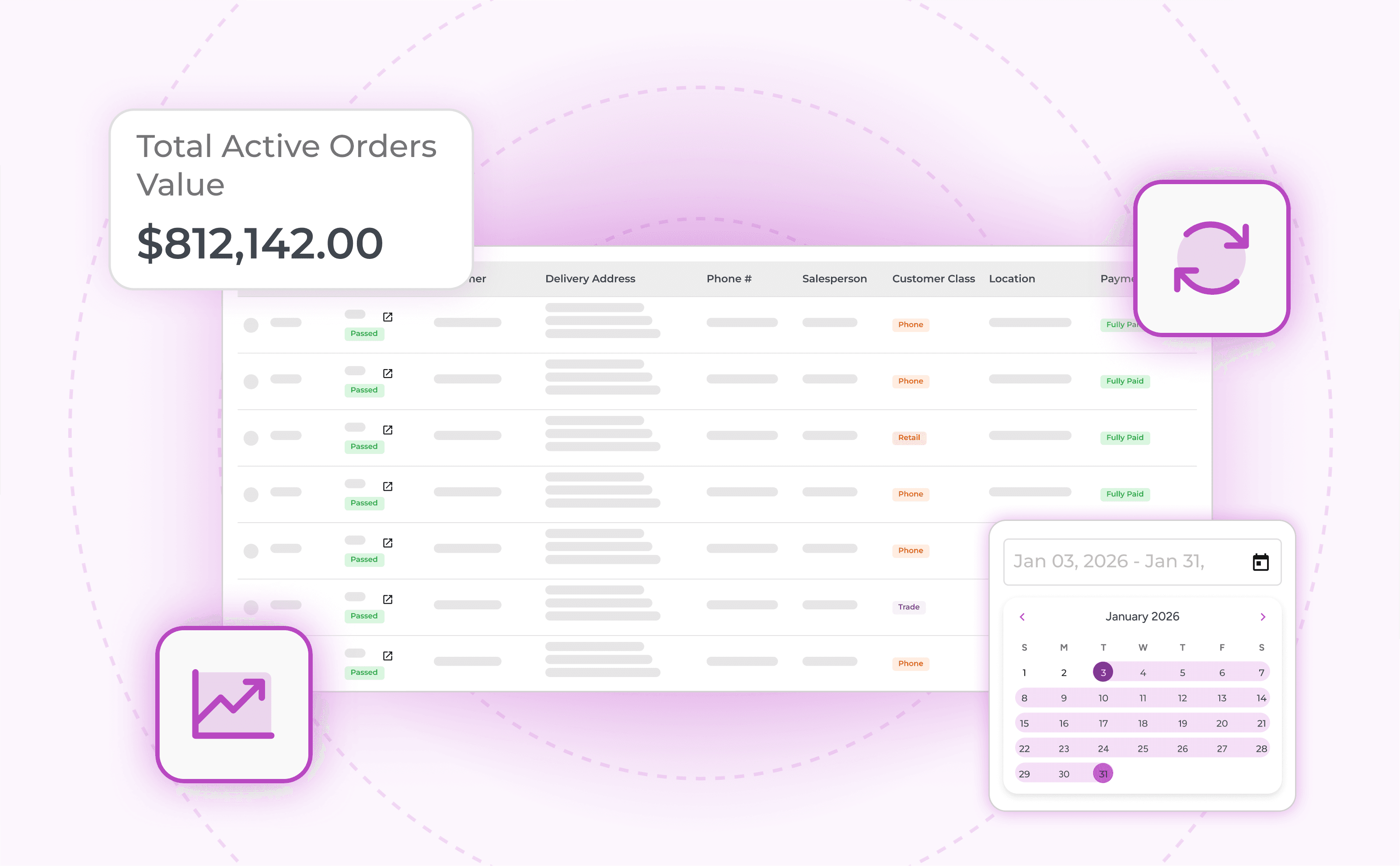
The biggest difference isn't faster reporting. It’s that the information retailers need is already available when they need it. Sales, inventory, customer payments, returns, and other business data are automatically brought together, eliminating the need to pull information from multiple systems before a report can be trusted.
That changes the way teams work every day. Instead of exporting reports, combining spreadsheets, and reconciling numbers, managers can spend their time understanding business performance and making decisions.
When reporting depends on manual work, the day often starts with questions such as:
Where can I find yesterday's sales numbers?
Which report has the latest online sales?
Did someone already update the spreadsheet?
Why don't the POS and website totals match?
Once reporting is automated, those questions are replaced by more meaningful ones:
Which brands or product categories sold best this week?
Did last weekend's promotion increase refrigerator sales?
Which payment methods do customers use most often?
Are delivery delays affecting customer satisfaction?
Which products have the highest return rates?
That's the real value of automated reporting. Instead of spending time tracing down numbers, retailers can focus on identifying trends, solving problems, and making informed business decisions.
Reliable reporting also creates consistency across the business. Every report is generated from the same underlying data, so business owners and managers no longer need to wonder whether they're looking at the latest numbers. Everyone works from the same source of truth, making it easier to collaborate, monitor performance, and make confident decisions. The benefits become even clearer in the reports appliance retailers rely on every day.
Bring Real-Time Reporting into Your Business
Managing business performance becomes much easier when every part of your business works from the same connected data. Appliance.io's Real-Time Reporting gives appliance retailers a connected view of sales, inventory, deliveries, payments, and financial performance in one place. Because reporting is built into the platform, every transaction automatically contributes to a continuously updated view of the business.
Business owners, managers, operations teams, and purchasing staff can quickly access the information they need without switching between different systems. Every report is generated from the same connected data, giving every team a consistent view of the business without having to compare data across different systems.
Real-Time Reporting is just one part of Appliance.io's all-in-one platform. Point of Sale, Website Builder, Inventory, Delivery Planning, AIO Pay, and other operational tools work together in one connected system, reducing manual work across the business.
Ready to bring real-time reporting into your business? Book a demo to see it in action and discover how Appliance.io can simplify reporting across your appliance business.