8 minutes read
Why Modern Retailers Need a Connected Payment Experience

Rocky Ahmann
Sales

Accepting payments should be one of the simplest parts of running a retail business. Yet for many retailers, payments are spread across multiple systems, providers, and reporting tools. Online transactions, in-store purchases, refunds, and payment records often live in different places, creating unnecessary complexity.
As retailers expand the payment options they offer across online and in-store channels, managing those transactions becomes just as important as accepting them. The right payment solution should do more than process payments. It should reduce manual work, improve operational visibility, and support more efficient business workflows.
A connected payment experience can bring payment activity, reporting, and operations together within a single workflow. With information connected across the business, teams can spend less time switching between systems and more time delivering a better experience for both employees and customers.
Why Payment Management Becomes So Complex
To provide the best customer experience, retailers need to support a variety of payment options. In this modern era, customers expect flexibility when making purchases, whether they are shopping in-store or online. A limited payment selection can create friction during checkout and potentially lead to lost sales.
As a result, many retailers support multiple payment methods across different sales channels. In physical stores, customers may pay with cash, credit cards, debit cards, bank transfers, or digital wallets. Online shoppers often expect additional options, including ACH transfers, Apple Pay, Google Pay, and Buy Now, Pay Later (BNPL) services.
While offering these payment options improves convenience for customers, it also creates additional complexity behind the scenes. Retailers often need to coordinate multiple payment providers, bank accounts, payment systems, terminals, and reporting tools to support a seamless payment experience. Without a connected payment experience, each additional payment method can introduce more systems, more processes, and more data to manage.
Managing Multiple Vendors
Supporting a wide range of payment options often means working with multiple payment providers. Each provider may have its own contracts, processing fees, settlement schedules, reporting dashboards, and customer support channels. As the number of providers grows, managing payment operations becomes increasingly time-consuming. Retailers may also need to keep track of multiple processing fees and vendor agreements, making payment operations more costly.
Resolving payment-related issues can also become more complicated. A delayed payout, failed transaction, or refund issue may require retailers to identify which provider handled the payment before they can begin resolving the problem. This can delay issue resolution and create additional administrative work for sales, operations, and administrative teams.
Manual Payment Processes
Payment information often needs to be recorded and updated across multiple systems. Retailers may spend time matching payments with invoices, verifying deposits, updating transaction records, and recording refunds to ensure financial records remain accurate.
These manual tasks become even more challenging as transaction volumes grow. Routine activities that seem simple on their own can quickly add up, increasing the risk of data entry errors and slowing down day-to-day operations.
Limited Visibility Across Teams
Payment information is often used by multiple departments throughout the sales process. Sales teams need to confirm successful transactions, operations may need to verify payment before delivery, and administrative teams rely on payment records for reporting and reconciliation.
When payment information is stored across separate systems, each team may be looking at different or outdated data. Without a shared view of payment activity, communication slows, decisions take longer, and routine tasks often require additional follow-up across departments.
What to Look for in a Payment Solution
Choosing a payment solution isn't just about finding a way to accept payments. The right solution should fit naturally into retailers' daily operations and help teams manage payment activity more efficiently, while supporting a better customer experience.
Before choosing a payment solution, retailers should consider the following questions:
Does it help reduce manual work and simplify payment management?
Can it support both online and in-store payment experiences?
Does it provide clear visibility into payment activity for different teams?
Will it continue to support the business as operations grow?
A payment solution that answers these questions can help retailers spend less time managing payment processes and more time focusing on customers and business growth.
A Connected Payment Solution
Choosing the right payment solution is about more than simply accepting transactions. A connected payment platform can help retailers manage payment activity, reduce manual work, improve visibility, and support both online and in-store payment experiences from a single system.
AIO Pay is Appliance.io's payment solution built specifically for appliance retailers. It helps businesses accept, manage, and track payments while keeping payment activity connected with sales, reporting, and day-to-day operations.
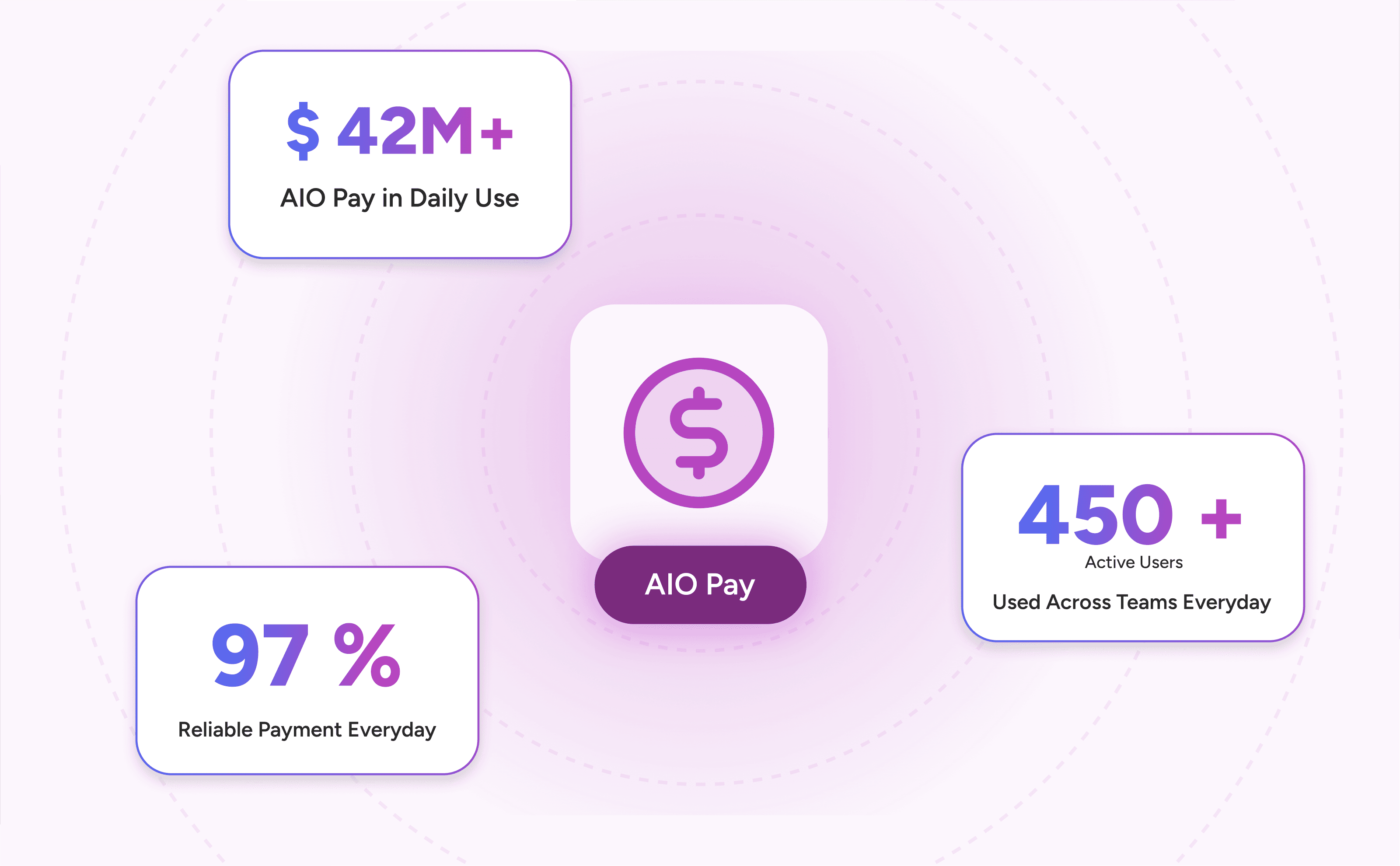
Over the past 12 months, more than $42 million in appliance sales have been processed through AIO Pay, maintaining a 97% authorization rate across online and in-store transactions. Today, AIO Pay also supports 450+ active users across the Appliance.io platform.
Book a demo to explore how Appliance.io connects payment processing with your day-to-day retail operations.